
Horticulture Decarbonation
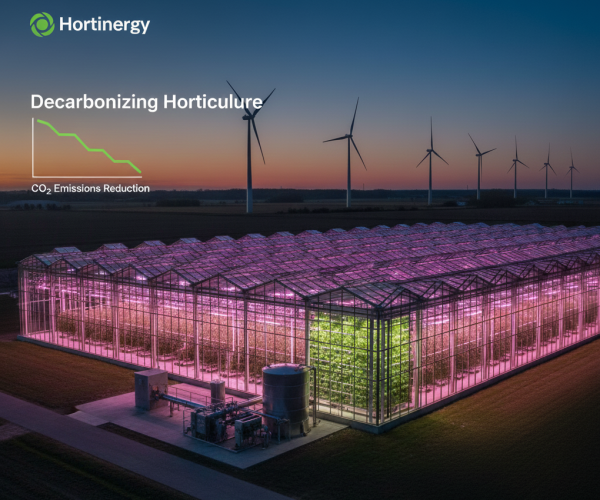
The global horticulture industry stands at a critical juncture. While essential for global food security and floriculture, the sector is also a significant energy consumer, particularly in controlled-environment agriculture (CEA) and greenhouses. Driven by rising energy costs, stringent governmental regulations, and increasing consumer demand for sustainable produce, the shift towards decarbonation is no longer optional—it is an economic and environmental imperative. Decarbonation, in the context of horticulture, involves eliminating or significantly reducing the net emission of greenhouse gases (GHG), primarily carbon dioxide ,associated with greenhouse operations. This transition requires planning, accurate forecasting, and a reliable tool to model complex energy and climate interactions. Hortinergy provides the advanced simulation capabilities necessary to navigate this transition, offering a robust platform for comprehensive decarbonation feasibility studies.
The Decarbonation Imperative in Modern Horticulture
The pressure to achieve carbon neutrality is escalating across all industrial sectors, and high-tech greenhouse operations are in the spotlight due to their substantial heating and supplementary lighting demands. Understanding the sources of emissions and the drivers for change is the foundation of any successful decarbonation strategy.
Understanding the Greenhouse Carbon Footprint
A greenhouse’s carbon footprint is complex and multi-faceted. The primary sources of Carbon Dioxide emissions often stem from the direct combustion of fossil fuels (natural gas, oil) for heating and, in some cases, for generating electricity for supplemental lighting (HPS or LED) and other climate control systems (pumps, fans). Furthermore, the practice of Co2 enrichment, while beneficial for crop yield, often relies on capturing CO2 produced by burning natural gas, adding to the facility’s overall emission profile. A comprehensive decarbonation strategy must address every aspect, from the building envelope and internal climate management to the energy sources utilized. Accurately quantifying these emissions requires hourly, detailed energy consumption data, which Hortinergy is specifically designed to provide.
Regulatory Pressure and Market Demand
Governments worldwide are establishing ambitious net-zero targets, increasingly leading to carbon taxes, subsidies for renewable technologies, and mandates for energy reporting. For horticulture businesses, failing to adapt means facing higher operating costs and potential non-compliance. Concurrently, consumers, retailers, and major food chains are demanding low-carbon, sustainably grown products. Securing premium markets, maintaining brand reputation, and establishing long-term commercial contracts now hinges on demonstrating credible, verifiable progress towards decarbonization. Early adoption of efficient, low-carbon solutions, supported by precise simulation, offers a significant competitive advantage.
The Economic Case for Energy Transition
While the initial investment in decarbonizing technology (e.g., geothermal, biomass boilers, advanced LED systems) can be substantial, the long-term economic benefits are compelling. Reducing reliance on volatile, globally-traded fossil fuels leads to increased energy security and stable, predictable Operational Expenditures (OPEX). Furthermore, investing in highly efficient systems inherently reduces overall energy demand, directly lowering bills. The economic rationale for decarbonation is therefore a dual strategy: reducing carbon liability while significantly improving the financial resilience of the operation. Accurate Return on Investment (ROI) analysis, which Hortinergy facilitates by comparing various scenarios, is crucial for securing financing and making informed investment decisions.
Strategies for Low-Carbon Greenhouse Operations
Achieving de ep decarbonation requires an approach that integrates efficiency improvements with a fundamental shift in energy sourcing. These strategies are often complex, interdependent, and demand precise modeling.
Advanced Greenhouse Architecture and Insulation
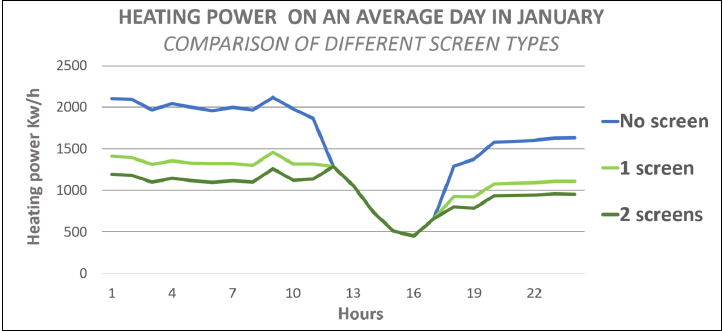
The first step in decarbonation is minimizing demand. This involves optimizing the structure itself. Semi-closed and sealed greenhouses use sophisticated climate control to dramatically reduce ventilation losses and maintain optimal co2 levels, leading to lower energy consumption per unit of produce. Utilizing highly insulated materials, implementing multi-layer thermal screens, and optimizing roof and side wall designs are critical architectural considerations. Hortinergy can model the precise thermal performance of specific materials and screen strategies, providing quantifiable data on the resultant heat load reduction and subsequent emissions savings.
Switching to Renewable Energy Sources
The decarbonation process is the transition away from fossil fuels. This includes:
- Geothermal Energy: Utilizing stable subsurface heat for primary heating.
- Biomass Boilers: Employing sustainable, locally sourced organic matter.
- Solar Photovoltaic (PV) Integration: Generating electricity for supplementary power needs, particularly for lighting and controls.
- High-Efficiency Buffer Tanks: Leveraging electricity to move heat rather than generate it, often paired with thermal energy storage (buffer tanks) to manage intermittent demand and maximize efficiency.
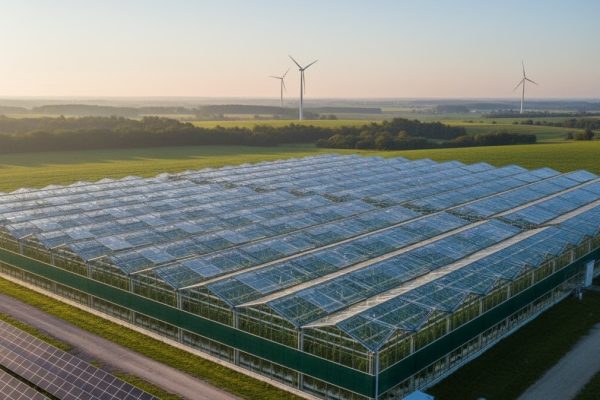
Hortinergy’s simulator includes specific modules for modeling these systems, allowing users to define heat production and distribution yield, buffer tank volume and regulation, and the integration of PV arrays to accurately assess their contribution to reducing fossil fuel consumption and carbon output.
Optimizing Supplementary Lighting
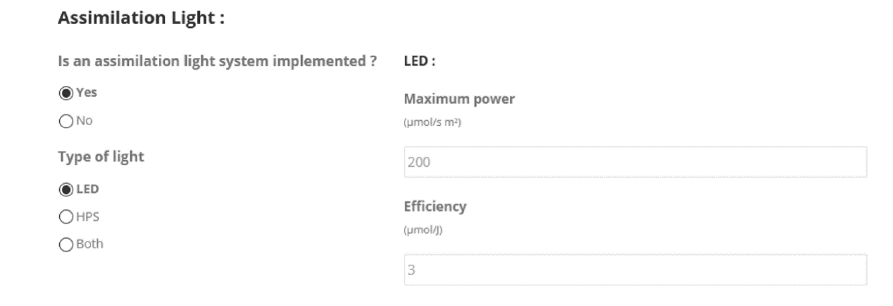
Supplemental lighting is a massive electrical energy sink, often second only to heating. The shift from older, high-pressure sodium (HPS) fixtures to highly efficient LED lighting systems is a powerful decarbonization lever. LEDs not only consume less electricity but also generate less radiant heat, which in warm periods reduces the cooling load. The modeling must account for complex interactions, such as using LED waste heat for slight temperature increases or managing the combined light spectrum. Hortinergy models HPS and LED lighting, allowing for the precise simulation of Daily Light Integral (DLI) requirements versus actual energy draw, proving the energy and carbon savings achieved through a lighting upgrade.

Climate Control and Resource Efficiency
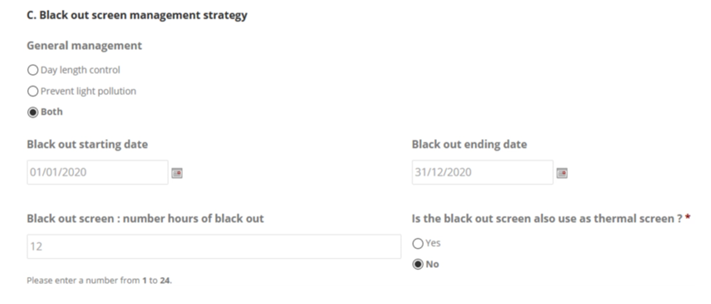
Smart, precision climate control is essential. Techniques like destratification (breaking up layers of warm air near the ceiling) can reduce the need for high-setpoint heating. Modern dehumidification systems reduce humidity without excessive ventilation, preventing energy loss. The simulator incorporates controls that mimic real-world climate computers, including setpoints for temperature and humidity, screen regulations, and morning revival protocols, ensuring the simulation of climate/energy interaction is as accurate as possible for the decarbonation feasibility analysis.
Hortinergy: Your Feasibility Tool for Decarbonation Success
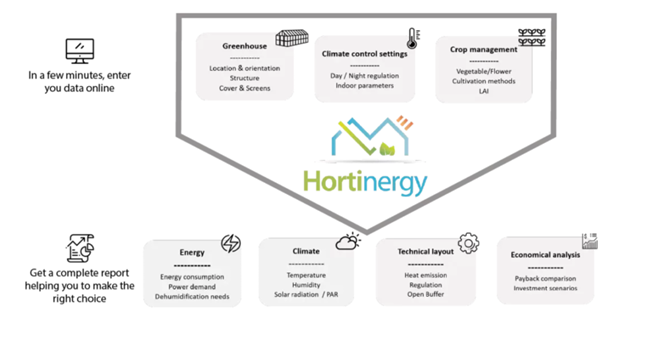
To effectively implement the strategies above, growers and engineers need more than just general estimates; they require a high-fidelity virtual environment. Hortinergy serves as an unparalleled feasibility tool by transforming complex engineering calculations into clear, actionable reports.
Precision Energy Modeling and Scenario Comparison

Hortinergy is an advanced greenhouse simulator that calculates all energy demands (heating, cooling, dehumidification, lighting, and ventilation) with high precision. By processing hourly data across a typical year for any geographical location and using proven algorithms, it eliminates the guesswork. For a project, this means:
- Baseline Establishment: Accurately modeling the current, pre-decarbonation energy consumption and GHG emissions.
- Scenario Testing: Quickly simulating multiple alternative solutions (e.g., comparing a geothermal system + buffer tank vs. a high-efficiency biomass boiler) and instantly calculating the new energy demands and carbon footprints.
- Optimization: Identifying the optimal configuration of equipment and control settings that minimizes energy consumption while maximizing the climate for the target crop.
The detailed PDF and Excel reports provide the necessary data to justify large-scale capital investments.
Financial and Environmental Impact Forecasting
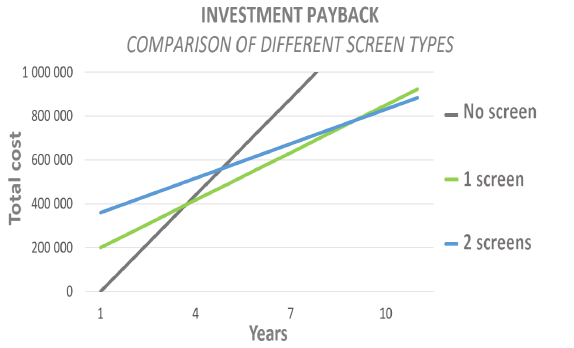
Crucially for decarbonation feasibility, Hortinergy is one of the few tools that provides an estimation of greenhouse gas emitted in its detailed simulation reports. This direct link between energy choice and environmental impact is invaluable. By comparing the CAPEX and OPEX associated with different technical scenarios against the calculated GHG reduction, project developers can perform a comprehensive financial and environmental ROI analysis. This capability moves the tool beyond simple energy audits into full-scale, decarbonization investment planning, determining which solution offers the most significant carbon reduction per dollar invested.
Validating Innovative and Complex Systems
Tailored for Global Climate and Crop Specifics
New, low-carbon technologies like semi-closed/closed greenhouses and large-scale buffer tank systems introduce complexity that simple spreadsheet models cannot handle. Hortinergy’s sophisticated simulation platform is designed to accurately model these innovative systems, including their unique thermal and climatic dynamics. For instance, the ability to model the interaction between supplementary light waste heat and the overall cooling/ventilation strategy is essential for correctly sizing HVAC equipment in closed-loop systems, preventing costly oversizing and ensuring energy efficiency is maximized for the least carbon-intensive outcome.
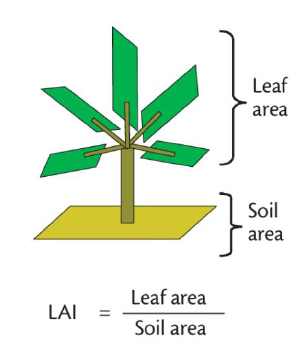
The feasibility of a decarbonation strategy is highly dependent on local conditions. Hortinergy integrates global weather data and features a vast crop library (tomatoes, strawberries, cannabis, cut flowers, etc.). This allows the simulation to account for crop-specific factors like crop evapotranspiration, transplanting, and uprooting dates, ensuring that the modeled climate control requirements are specific to the actual biological needs of the crop. A decarbonation plan designed for tomatoes in the Mediterranean will require a vastly different, but equally precise, model than one designed for cannabis in a cold North American climate, a level of detail only an advanced simulator like Hortinergy can provide.


The Path Forward: Implementing a Decarbonation Roadmap
The journey to net-zero horticulture is complex but achievable. By leveraging Hortinergy, growers and investors gain a powerful advantage: the ability to virtually test and validate every investment before breaking ground. The outcome is a clear, data-driven decarbonation roadmap that maximizes energy efficiency, minimizes carbon liability, and secures the long-term financial viability of the greenhouse operation.
Make your Decarbonation Feasibility Study with Hortinergy
Start your decarbonation feasibility study today with Hortinergy, and turn sustainability challenges into profitable opportunities.